Error message
Deprecated function: Array and string offset access syntax with curly braces is deprecated in include_once() (line 20 of /home/raw3y9x1y6am/public_html/includes/file.phar.inc).
Quest: Nature of Science, grade 5
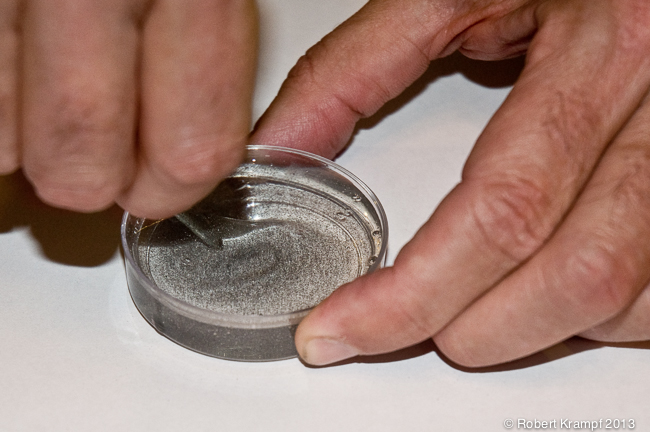
What do you have to do to replicate an experiment?
-
No. Doing the same experiment several times is repetition, not replication.
-
Yes. By replicating an experiment exactly, you should get the same results as the original experiment.
-
For replication, you do the experiment exactly as the original scientist did, without making any changes.
-
The purpose of replication is to verify, not to look for errors.
Click to see which state standards this question tests, and which of my videos, experiments, and other resources support that topic.
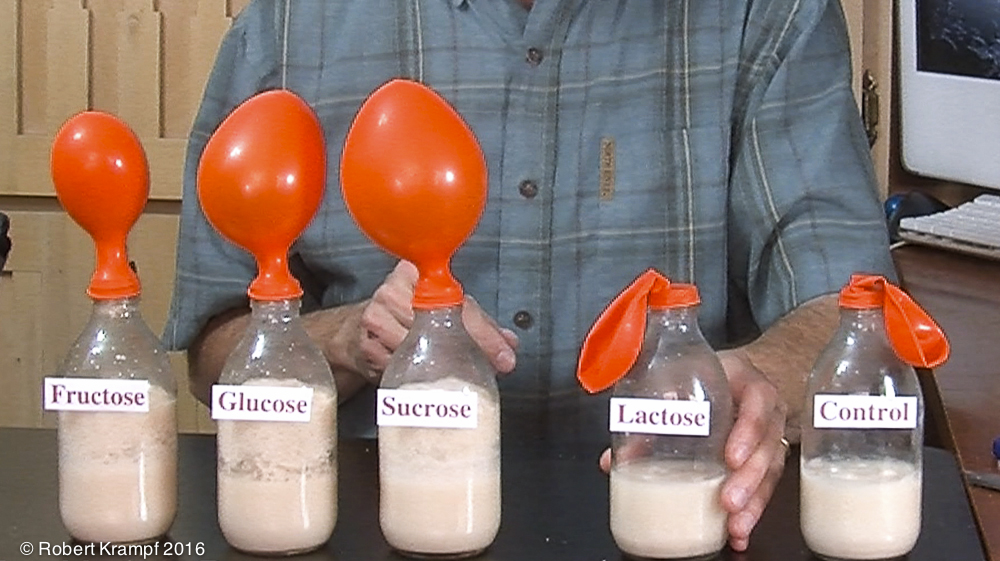
In the Yeast and Sugar video, I added different kinds of sugar to bottles with yeast and warm water. One of the bottles was a control. What should have been in that bottle?
-
No. With just water, you are removing two variables, the yeast and the sugar. You only want to remove the independent variable.
-
Yes! A control should be exactly like the others, but without the independent variable (the variable you are changing in the experiment.) In this case, the variable you are changing is the kind of sugar, so the control should have everything except for the sugar.
-
No. The yeast is not the independent variable, so leaving it out would not be correct.
-
No. Adding salt would be adding a new variable, which is not correct.
Click to see which state standards this question tests, and which of my videos, experiments, and other resources support that topic.
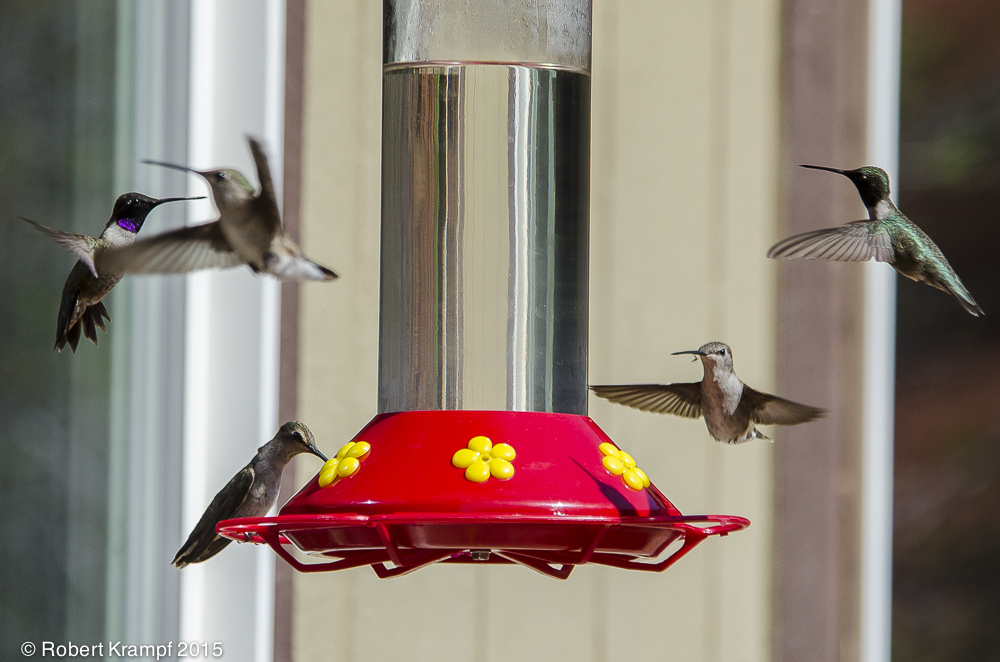
We enjoy the hummingbirds that visit our feeders. I am trying to find the mixture of sugar and water that they like the best.
Each day, I put out four feeders with different amounts of water and sugar. At the end of each day, I measure to see how much of each the hummingbirds drank. Which of the following is NOT an important part of this experiment?
-
No. This IS an important part of the experiment. The feeder without any sugar is the control. If the hummingbirds drink just as much pure water, it would indicate that the sugar is not important.
-
No. This IS an important part of the experiment. If you always put the same mixture in the same location, the results may be because the birds like that location instead of because they like the amount of sugar.
-
No. This IS an important part of the experiment. The more times you repeat the same test, the more likely you are to get accurate results.
-
Yes. This is NOT an important part of the experiment. It would add a second variable to the experiment, which is a bad thing. You want everything to be the same for each sample, with the only difference being the amount of sugar. If you used different colors and different amounts of sugar, you would not know whether the results were due to the color or the sugar.
Click to see which state standards this question tests, and which of my videos, experiments, and other resources support that topic.
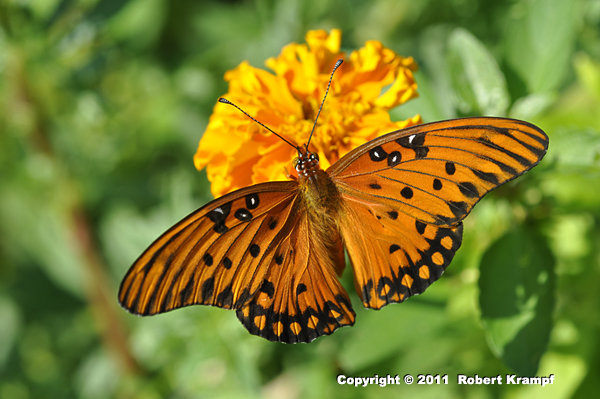
Which of the following observations is NOT scientifically testable?
-
Yes! Pretty is an opinion, and can vary from person to person, so it is NOT scientifically testable.
-
No. This could be tested by counting the legs of a variety of butterflies.
-
No. A claim does not have to be true to be testable. Examination of a variety of butterflies would show that they do not have stingers.
-
No. This could be tested by observing the feeding habits of butterflies.
If I said that butterflies did not have six legs, you could show me physical evidence by counting their legs. After counting the legs, the physical evidence would show that butterflies have six legs.
If I said that I don't think butterfly wings are pretty, you could show me wings that you think are pretty, but I might not agree with your opinion. "Pretty" is not something that we can measure. What is pretty to one person might not be pretty to another, so it is not a testable property.
Click to see which state standards this question tests, and which of my videos, experiments, and other resources support that topic.
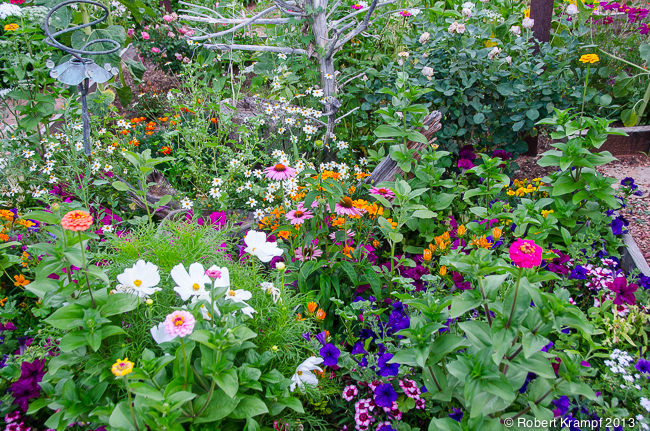
I want to test a new fertilizer, to find the best concentration for my garden. To do this, I plan to divide my garden into four sections.
Section A. I will use 5 grams of fertilizer per gallon each time I fertilize.
Section B. I will use 10 grams of fertilizer per gallon each time I fertilize.
Section C. I will use 15 grams of fertilizer per gallon each time I fertilize.
For section D, how much fertilizer per gallon should I use?
-
No. This would be a good thing to test, but for this to be a proper science experiment, it is not the correct answer.
-
No. This would be a good thing to test, but for this to be a proper science experiment, it is not the correct answer.
-
No. This would be a good thing to test, but for this to be a proper science experiment, it is not the correct answer.
-
Yes. For this type of experiment, you need to have a control group. That is a group of test subjects that you do not do anything to. If the control group with no fertilizer grows just as well as the other groups, then I would know that the fertilizer was not working.
Click to see which state standards this question tests, and which of my videos, experiments, and other resources support that topic.
